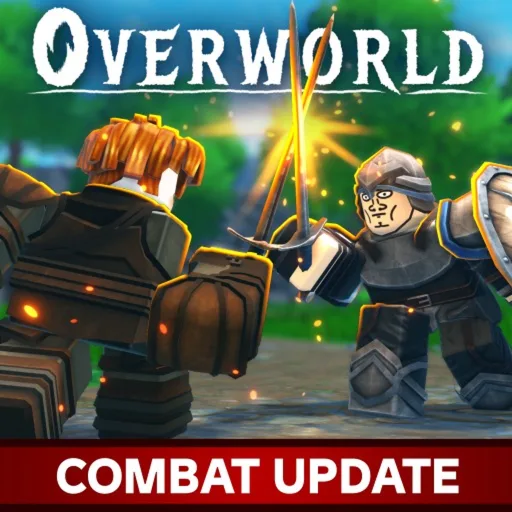
Overworld Party and PvP
Team up for bosses—or understand the stakes before risking gear.

Overworld supports both cooperative PvE and high-stakes PvP. This page separates party success habits from gear-risk caution.
Parties for PvE
- Invite before the pull, not during the wipe.
- State your role: melee, ranged, support.
- Share consumable expectations.
- Agree on loot fairness for set pieces.
- Use chat item links to identify drops quickly.
Boss nights are smoother when everyone read Dungeons and Bosses and brought arrows/potions from Make Money Fast income.
Suggested duo/trio comps
- Ranged chip + Melee hold
- Two ranged + one flex gatherer restocking
- Mage utility once mana economies exist (Combat Builds
Gear-risk PvP
The fantasy pitch includes risking gear in PvP. That is optional content, not a tutorial step. Before toggling risk:
- Bank irreplaceable boss pieces.
- Wear gear you can craft again (Mining and Smithing).
- Know escape routes and mount binds (Mounts and Travel).
- Assume opponents may use unfair tools—see Script Safety.
Etiquette
- Do not bait new players into risk without explanation.
- Do not ninja rare PvE loot.
- Do not harass people who prefer peaceful gathering.
When to party vs solo
Solo: quests, mining blocks, roof archery. Party: Goblin King, crypts, raid-style events. Route planning: Early Game Route.
Sibling pages: Controls, Early Supporter Perks. Hub: Players Hub.
Loot contracts
Before bosses, say whether you are need/greed on specific slots. Ambiguity creates quiet resentment that kills future parties. Clarity keeps the guild-less world friendly.
PvP opt-in language
Use explicit phrases: “gear risk on” versus “chill duel.” Never assume. Bank first. Duel second. Screenshot agreements if stakes are high.
Reporting and leaving
You can leave unhealthy servers. You can report harassment. Your Early Access purchase does not obligate you to tolerate toxic PvP culture.
Field notes from Early Access
Draft a short party code: no spoilers for first-time boss runners, no shaming deaths, no surprise risk toggles, loot spoken aloud. Paste it when inviting. Codes feel formal once and then become culture. Culture is how unofficial games survive without guildware. For PvP, add a second code about stalking and spawn camping so everyone knows your boundaries.
Closing checklist for players/party-and-pvp
Before you log off, write one sentence about what this page changed in your plan, one resource you will buy or craft next, and one friend you might invite. Then open a complementary link from the Related guides section and schedule a twenty-minute follow-up. That tiny paper trail keeps Overworld progress visible across busy weeks and patchy Early Access calendars.
Practical addendum
Rotate leadership. The same caller every night burns out. Let the ranger call kite paths one week and the melee call stack points the next. Leadership rotation also teaches more players to brief properly, which means your bench of trustworthy teammates expands for crypt keys and surprise free-weekend crowds.
End every risky night with a bank trip before you log out. Many losses happen in the last three minutes when attention drops. Make the bank trip part of the goodbye ritual for your party.
Keep voice chat optional; typed callouts work if everyone agrees on short codes like stack, spread, and reset before the pull begins. Practice those three words in town so nobody freezes mid-fight.
Frequently Asked Questions
Quick answers for Overworld players.
Is PvP required to progress?
No. Core progression is skills, quests, crafts, and PvE bosses.
What should I bank before PvP?
Anything you cannot easily replace—boss sets, rare ores, and mount funds.
How large should a boss party be?
Start with two or three coordinated players; add more if wipes continue.
Any final tip specific to party and pvp?
Yes—revisit this page after your next session, adjust one habit only, and combine it with a complementary link from the Related guides module so the lesson sticks in Overworld’s Early Access environment.